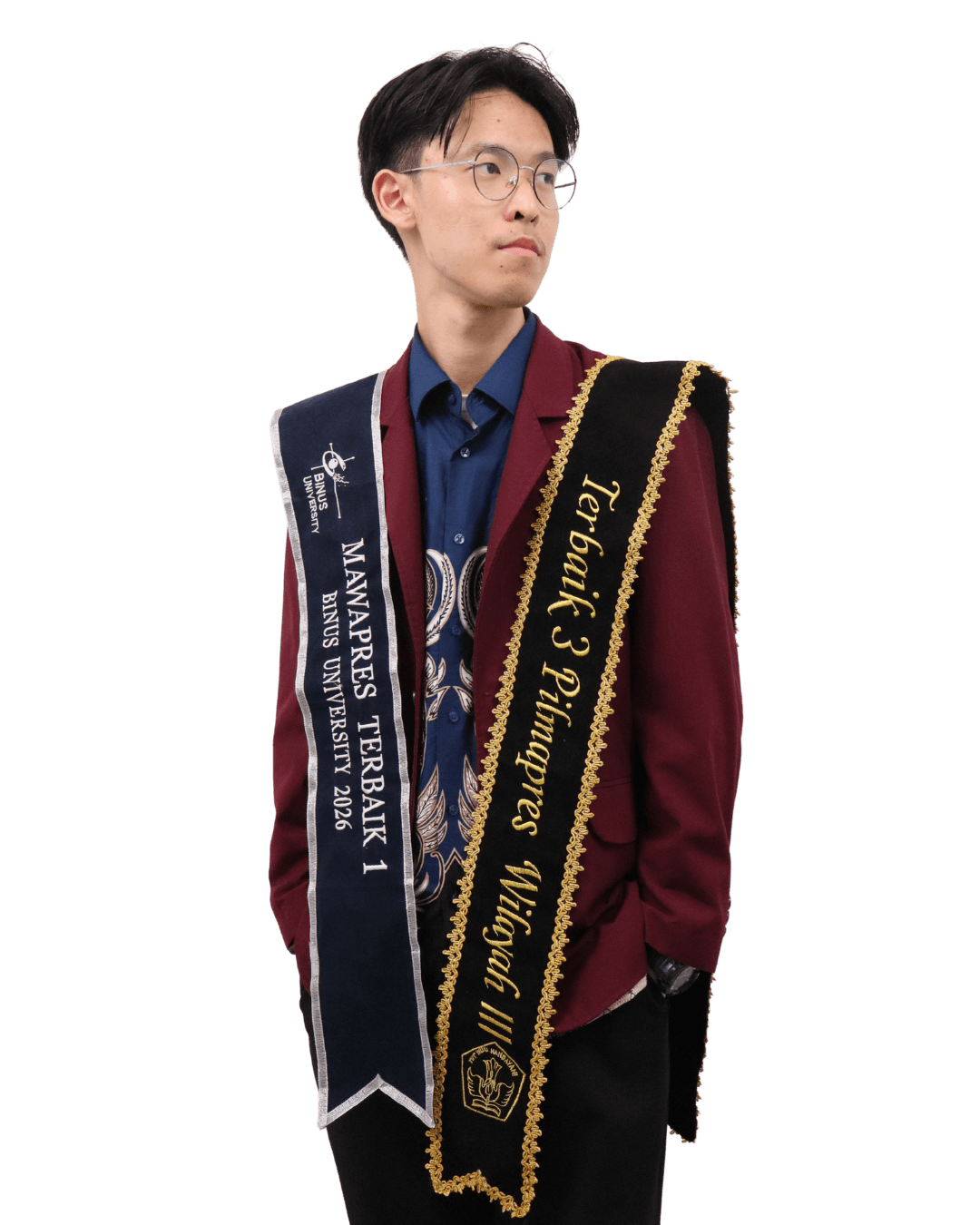
Winner, Applied Impact categoryTechnologyInternational
Asia-Pacific Applied Machine Learning Award
Regional recognition for FieldSight, in a category judged on deployment evidence rather than benchmark performance.
- Organiser
- Asia-Pacific Machine Learning Society
- Date
- 29 July 2025
- Level
- International
- Location
- Singapore
Winner, Applied Impact category
Context
The Applied Impact category required something most machine learning awards do not: evidence that the system was in real use, with measured outcomes from the field rather than from a test split.
Submissions were assessed on deployment evidence, measured effect, and honesty about limitations. The last criterion carried explicit weight, which is rare and which I think is correct.
The Submission
We submitted FieldSight with two seasons of field data — 27,000 photographs, agreement statistics against agronomist consensus, and the on-device performance envelope across the hardware officers actually carried.
We also submitted the failure analysis: the 61% accuracy of our first model on real field photographs against 96% on the public benchmark, and what that gap cost us in time.
One of the judges said in feedback that the failure section was the reason the submission stood out. Most entries described a working system. Few described how badly it had worked first.
Reflection
This is the recognition I am most comfortable with, because the criteria matched what the work was actually for. A benchmark score would have been easier to produce and would have meant nothing to the officers using the application.
It also settled an internal argument. Publishing the failure analysis had felt like a risk. It turned out to be the strongest part of the submission, and I have written up failures deliberately ever since.
Related work
The projects this recognition came out of.
Have something worth building?
Open to engineering roles, research collaboration and speaking. If the interesting part is getting a model to survive real users, let's talk.