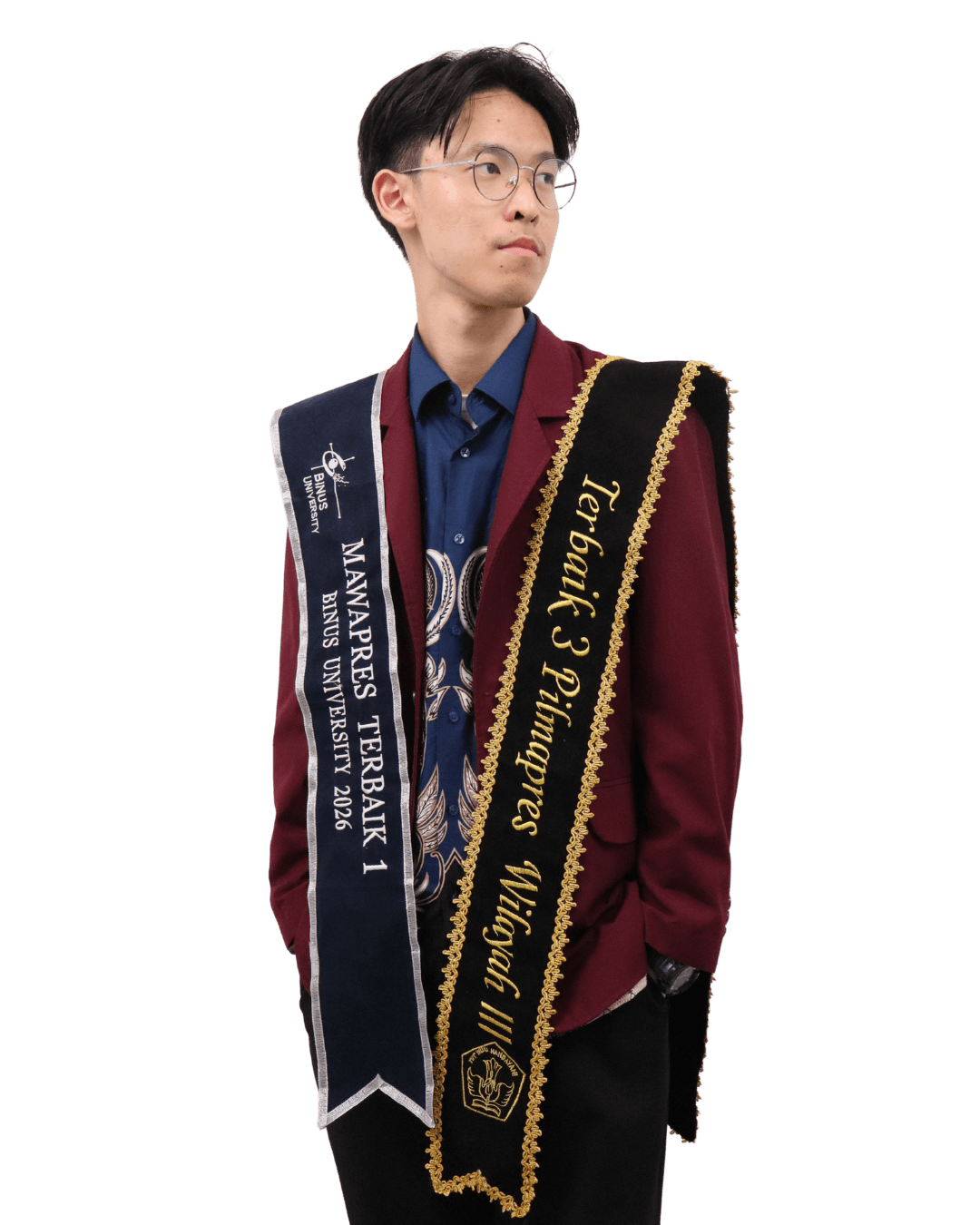
Stanley Nathanael Wijaya
- Based in
- Jakarta, Indonesia
- Currently
- Northbridge Systems
- Building since
- 2019
- Focus
- Artificial Intelligence
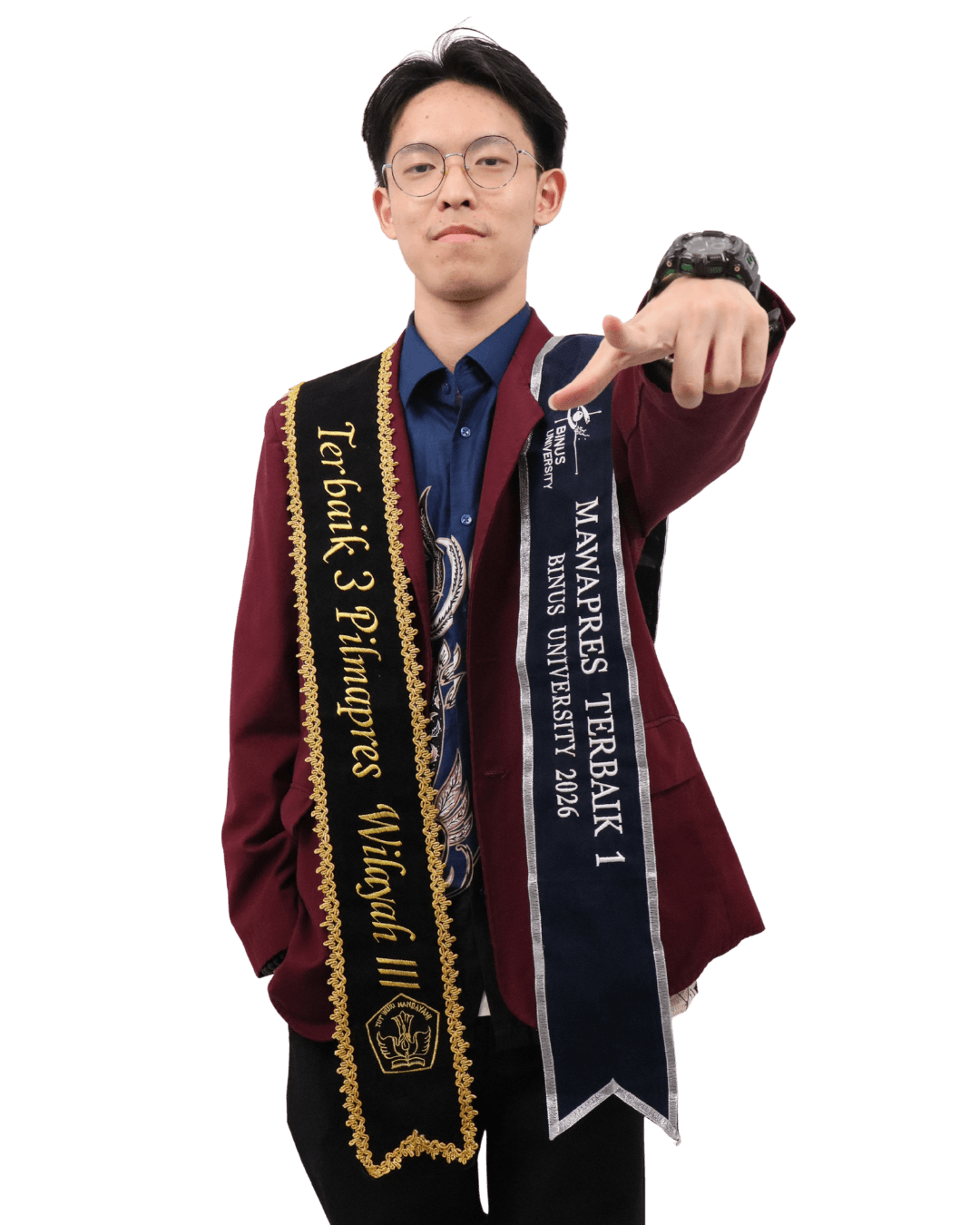
Current focus
Retrieval-augmented systems that stay accurate as their corpus drifts
Evaluation harnesses that catch regressions before users do
Developer tooling for small teams shipping ML features
How I got here
I build systems where machine learning has to survive contact with real users — and I write down what actually happened.
I work at the point where a model stops being a notebook and starts being something people depend on. That transition is where most of the interesting problems live: latency budgets, evaluation that reflects reality, failure modes nobody wrote a ticket for, and the unglamorous plumbing that decides whether a good idea ever ships.
My background is split between research and engineering, and I have stopped treating that as a compromise. Research taught me to be honest about what a result actually shows. Engineering taught me that an honest result is worthless until someone can use it. Most of my work is the translation layer between the two.
Read the restShow less
I have spent the last several years building retrieval systems, computer vision pipelines, and the internal tooling that surrounds them — mostly in small teams where the same person writes the evaluation harness, the API, and the postmortem. I like that shape of work. It keeps you from lying to yourself about how well something is going.
Outside of shipping, I write. Partly because a competition or a launch is only worth what you learned from it, and partly because I have found that a project I cannot explain in plain English is a project I do not yet understand.
What I hold to
Four positions that shape how I scope, build and write — mostly learned by getting each one wrong first.
Evidence over assertion
A claim about a system should come with the measurement that produced it. If I cannot show the number, I say so rather than rounding up.
Build the boring parts first
Logging, evaluation, and rollback are what let the interesting work move quickly. Skipping them buys a week and costs a quarter.
Small teams, full ownership
I would rather own a feature end to end — model, service, interface, and the postmortem — than hand it across three walls.
Write it down
Documentation is not overhead. It is the only durable artefact after the people who built the thing move on.
Practices, not preferences
Habits with a cost attached — each one exists because skipping it went badly.
Start with the failure case
Before writing the happy path, I write down what going wrong looks like. It usually reshapes the design and always shortens the debugging.
Measure before optimising
Intuition about bottlenecks is wrong often enough that profiling first is simply cheaper than being clever first.
Ship narrow, then widen
A feature that works completely for one use case teaches more than one that half-works for five.
Leave a trail
Every non-obvious decision gets a comment, a commit message, or a note. Future me is a different engineer with no context.
Where my attention goes
Applied AI
Retrieval systems, computer vision pipelines, and LLM applications built for production constraints rather than benchmark scores.
Software Engineering
TypeScript and Python services, from schema design and API surface to deployment and observability.
Product
Turning a vague capability into a scoped feature people actually reach for, and knowing which parts to cut.
Research
Reproducible experiments, honest baselines, and results written up so the method survives the author.
I read a lot of postmortems — aviation, infrastructure, finance. The pattern of how complex systems fail is remarkably portable.
I mentor students moving from coursework into their first real codebase, which is reliably the fastest way to find the gaps in my own explanations.
I keep a running notebook of ideas that did not work and why. It is longer than the one for ideas that did.
Moments that shaped me
The short version — the full chronology lives on the journey page.
April 2026
Research
April 2026
Research
Submitted the evaluation drift study
Fourteen months of watching evaluation suites quietly stop describing production.
November 2025
Project
November 2025
Project
Lumify went live, two years after the version that failed
The rebuild shipped, and the feature that won people back was the refusals.
October 2025
Competition
October 2025
Competition
Won the National AI Innovation Challenge by answering fewer questions
214 teams, and the deciding factor was reading the scoring function carefully.
July 2025
Recognition
July 2025
Recognition
FieldSight won on the strength of its failure section
The submission included the model that scored 61%. A judge said that was why it stood out.
April 2024
Milestone
April 2024
Milestone
Six weeks in the field, discarding a working model
The decision that made FieldSight work was throwing away the thing that scored 96%.
- NSSenior AI EngineerNorthbridge Systems · Aug 2024 — Present
- SPFounding Product EngineerSignalPath · Nov 2023 — Oct 2024
- TAMachine Learning EngineerTerraField Analytics · Feb 2023 — Jul 2024
- FCResearch AssistantFaculty of Computer Science — Applied NLP Group · Mar 2022 — Jan 2023
- CSTechnology LeadComputer Science Student Society · Aug 2021 — Jul 2022
- INFreelance DeveloperIndependent · Jun 2020 — Feb 2022
Say hello
If any of this overlaps with what you are working on, I would be glad to hear about it.